What is the difference between IPv4 and IPv6?


An IP address is a unique ID that helps devices like computers, servers, and websites share data. IPv4 has been used for many years, but as more devices connected to the Internet, its limits showed. This led to the creation of IPv6.
Let’s find out what IPv4 and IPv6 are, how they differ, and why both are still used today.
How to find out what IP you are using
The quickest way to find out your IP address is to use an IP address checker in your browser, like WhatIsMyIP or IPinfo. These websites automatically display your current IP address and show whether you’re using IPv4, IPv6, or both.
You can also find your IP address in your operating system’s network settings or through the command line. For example, in Windows, open the command line and type ipconfig; in macOS or Linux, use ifconfig or ip addr. This will show a list of network settings, including your device’s assigned IPv4 and IPv6 addresses, if they are active.
What is IPv4?
IPv4 (Internet Protocol version 4) is the fourth version of the Internet Protocol, which helps identify devices on a network. In simple terms, IPv4 is the system that allows devices to locate each other on the internet and share data.
An IPv4 address is made up of four numbers separated by dots, like this: 192.168.1.1. Each number can range from 0 to 255. This format has been around since the 1980s and worked well for a long time.
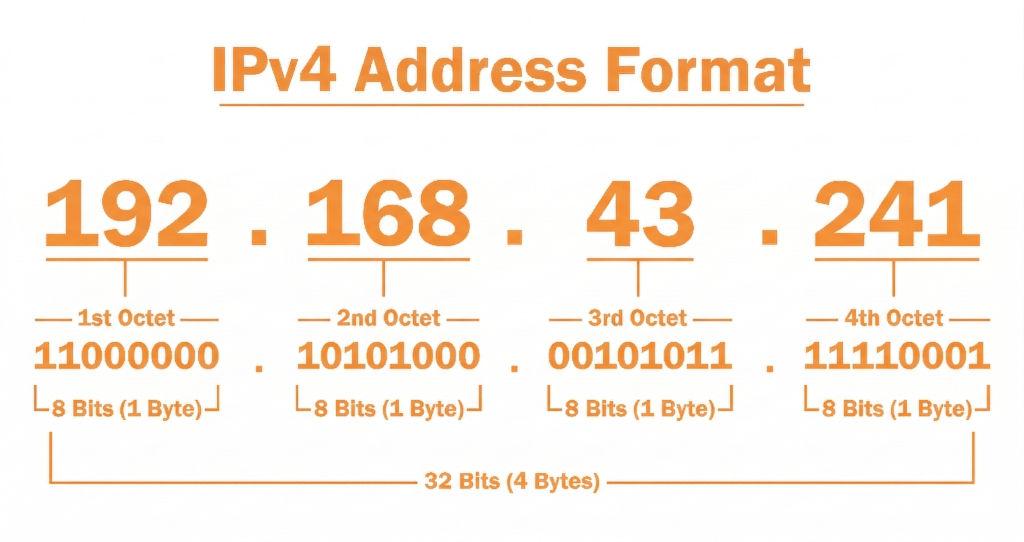
However, IPv4 has a major limitation: it can provide about 4.3 billion addresses. As more people, smartphones, servers, and IoT devices came online, it became clear that these addresses were not enough. This need for more addresses led to the creation of IPv6.
What is IPv6?
IPv6 (Internet Protocol version 6) is the newest version of the Internet Protocol, designed to replace IPv4 and tackle the shortage of IP addresses. It serves the same purpose—allowing devices to find each other on the network and share data—but uses a much larger address space.
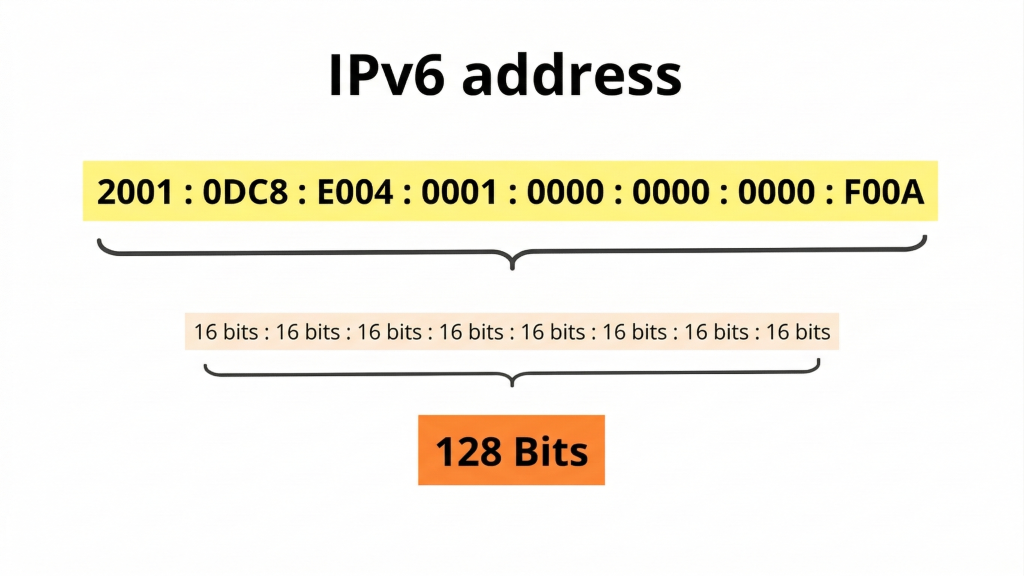
An IPv6 address looks like a long string of letters and numbers, separated by colons, for example: 2001:0db8:85a3::8a2e:0370:7334. This format may seem complicated, but it provides a virtually unlimited number of unique addresses.
IPv6 was created not just to increase the number of IP addresses, but also to enhance network efficiency. Here are some key advantages:
- Vast address space. IPv6 uses 128-bit addresses, allowing for an almost limitless number of unique IP addresses. This is crucial as more devices connect to the internet.
- Improved routing. The design of IPv6 makes packet processing and data routing simpler. This helps reduce the load on network devices and speeds up data transfer.
- Built-in security features (IPsec). IPsec is part of the IPv6 standard, enabling network-level encryption and authentication to boost data security.
- Better support for modern networks and IoT. IPv6 is optimized for today’s networks, including cloud services and the Internet of Things (IoT), where many devices need to connect without Network Address Translation (NAT).
- Automatic device configuration. IPv6 supports SLAAC (Stateless Address Autoconfiguration), allowing devices to connect to the network automatically without manual setup or a separate DHCP server.
Key differences between IPv4 and IPv6
| Parameter | IPv4 | IPv6 |
| Address length | 32 bits | 128 bits |
| Number of addresses | About 4.3 billion | Virtually unlimited (≈ 340 undecillion) |
| Record format | Four numbers separated by dots (e.g., 192.168.1.1) | Eight groups of hexadecimal values separated by colons (e.g., 2001:0db8::1) |
| Performance and routing | Less efficient routing, more supporting mechanisms | More optimized routing and packet processing |
| Security | IPsec is possible, but not required | IPsec support is included in the standard |
| NAT support | Often used due to address shortages | Usually not needed due to the large number of addresses |
| Address autoconfiguration | Limited capabilities, often requiring DHCP | Supports automatic configuration (SLAAC) |
| Compatibility | Widely adopted and supported | Gradually implemented, compatibility through transition technologies |
Why is IPv4 still used?
Even with the introduction of IPv6, IPv4 is still widely used around the world. One major reason is the extensive existing infrastructure. Most of the internet was initially built on IPv4, and millions of servers, network devices, and services still rely on this technology, making it challenging to phase it out quickly.
Additionally, transitioning to IPv6 means updating hardware, software, and network setups. For companies, this translates to extra costs and implementation time, so many are adopting IPv6 gradually.
IPv6 adoption varies by region. It’s actively used in some countries, while in others, it’s less common. Until there’s wider global support, IPv4 will remain a critical part of the internet’s framework.
Is it possible to use IPv4 and IPv6 at the same time?
Yes, both protocols can run at the same time. This is quite common as the internet makes its gradual shift to IPv6 while IPv4 continues to be prevalent. There are special strategies and technologies to enable their coexistence.
Dual Stack. This is the most common method, where a device or server gets two IP addresses (one for IPv4 and one for IPv6) and can operate using both. The system automatically chooses the correct address based on what’s available.
Tunneling. This method allows IPv6 data to be sent over IPv4 networks. Essentially, IPv6 traffic is “wrapped” in IPv4 packets to move through networks that don’t support IPv6 yet.
There are also various tools that help IPv4 and IPv6 work together, such as address translation technologies (NAT64, DNS64). These technologies enable IPv6 devices to connect with resources that only support IPv4.
Both IPv4 and IPv6 serve the same basic purpose but with different capabilities and designs. IPv4 continues to be widely used due to the existing infrastructure, while IPv6 is slowly gaining ground as a more modern solution. As the number of connected devices grows and technology evolves, the role of IPv6 will become even more important. However, for the foreseeable future, both protocols will coexist to ensure the internet remains stable.
As we navigate the evolving landscape of internet protocols, both IPv4 and IPv6 play essential roles in connecting devices and facilitating data exchange. While IPv4 remains the backbone of much of today’s internet infrastructure, the transition to IPv6 is paving the way for a more efficient and expansive internet environment.
At SpaceLama, we understand the significance of both protocols and offer hosting services that are optimized for today’s needs. Our state-of-the-art infrastructure supports both IPv4 and IPv6, ensuring seamless connectivity and enhanced performance for your websites and applications.
With SpaceLama, you get:
- Reliable hosting. SpaceLama’s services are designed to handle high traffic volumes without compromising speed or security.
- Modern tech stack. With support for IPv6, we prepare your business for the future while maintaining compatibility with existing technologies.
- User-friendly solutions. Enjoy a hassle-free experience with automatic configurations that simplify your network setup.
Choosing SpaceLama means choosing a hosting provider that prioritizes innovation and stability. Experience the best hosting services tailored for the modern internet, where your needs are met with expertise and care.
With our robust security measures, 24/7 support, and specialized tools, you can focus on what matters most: growing your business! Secure your hosting plan now and unlock the advantages that come with being part of the SpaceLama family.
And remember, when you sign up for any of our yearly hosting plans, you’ll receive a FREE domain as a gift!