Are AMP pages still relevant in 2026?


Today, most people access the internet via smartphones, making page loading speed a key performance factor. Google Chrome data shows that if a page loads in 3 seconds, the chance of a user abandoning it jumps by 32% compared to a 1-second load time. When loading takes 6 seconds, the bounce rate soars by 106%.
One of the most talked-about solutions for speeding up mobile pages is Accelerated Mobile Pages (AMP). When this technology debuted, Google touted that AMP pages could load in under one second while consuming up to 10 times less data than their non-AMP counterparts. This led many news sites and content platforms to adopt AMP in its early years.
But nearly a decade has gone by, and web development, network infrastructure, and user expectations have changed a lot. In this article, we look at whether AMP pages are still useful in 2026.
How AMP came to be
AMP wasn’t created just for the sake of it. It was a direct response to a specific problem in the mid-2010s. Mobile traffic was growing fast, but websites were getting more complex with more images, scripts, ads, tracking, and dynamic features.
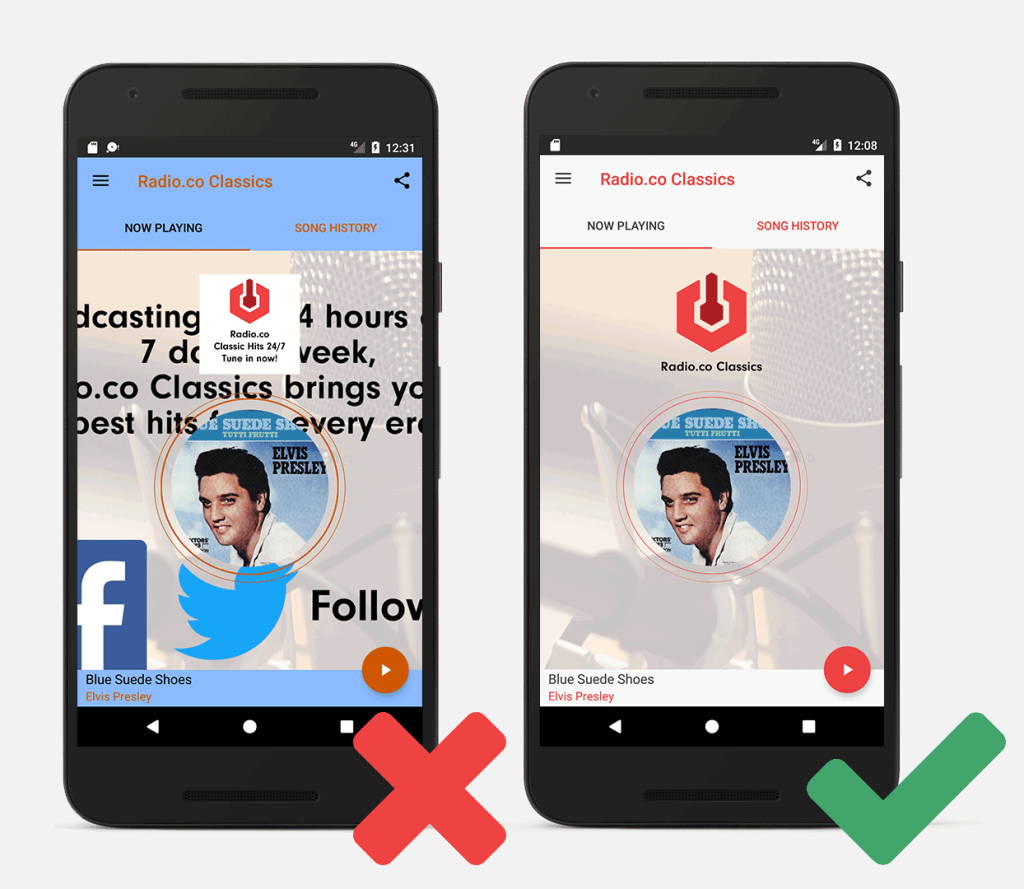
As a result, smartphone users faced slow loading times, unstable layouts, and long waits for pages to load completely. This affected user engagement, advertising revenue, and audience loyalty, especially for news and content-focused sites.
In response to these issues, the Accelerated Mobile Pages (AMP) project was launched on October 7, 2015. It was an open-source initiative supported by Google and several major media platforms.
Twitter, Pinterest, WordPress, and some leading news publishers were among those first partners. By February 2016, AMP pages started showing up in Google’s mobile search results. These pages were optimized versions built using strict AMP-HTML rules. They featured simplified HTML, limited JavaScript, minimal CSS, and prioritized loading content quickly.

A big reason for AMP’s early success was its simple code structure and its caching system called AMP Cache. This let pages be delivered directly from Google’s cache instead of the publisher’s server, reducing server load and speeding up content delivery.
Just two years after launch, tens of millions of websites were using AMP, and the number of published AMP pages reached billions. According to Think with Google, by 2017–2018, AMP had become a standard for the news and media industries.
In its early days, AMP pages often appeared in special Google mobile search features, like news carousels. This led many to believe that AMP offered a direct SEO advantage, even though Google later clarified that it was the speed and quality of the user experience that mattered, not the AMP format itself.
This is why AMP quickly became more than a technology. It became a key part of mobile web infrastructure. It was widely adopted by news portals, blogs, aggregators, media platforms, and ad-supported websites. It tackled several major challenges at once: speeding up page loading, reducing data usage, stabilizing the user experience, and lowering server load.
Web optimization has changed
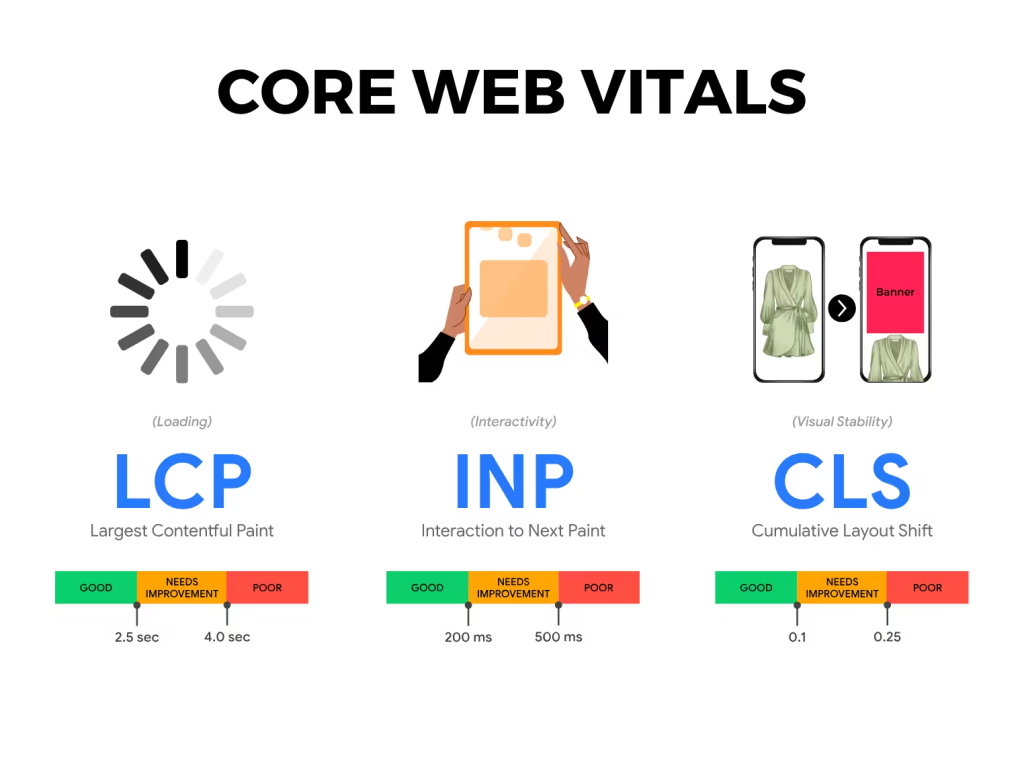
In June 2021, Google rolled out a major algorithm update centered on Core Web Vitals – metrics that measure real-world user experiences, including page loading speed (LCP), interactivity (FID, later replaced by INP), and visual stability (CLS). After this update, search rankings started to focus more on actual performance and user experience metrics rather than whether a page used AMP or not.
Another important factor was the growing criticism of AMP from developers and publishers. The technology was increasingly described as a “closed standard masquerading as open source,” due to its heavy reliance on Google’s infrastructure.
As a result, any website, AMP or not, could compete for top search positions, as long as it showed strong Core Web Vitals performance.
At the same time, the web environment was evolving rapidly. Between 2020 and 2024, browser, mobile device, and network performance improved significantly. Statista reports that the average global mobile internet speed more than tripled, rising from around 16 Mbps in 2019 to over 50 Mbps in some areas by 2024. Additionally, modern optimization tools that were once hard to implement became mainstream.
Against this backdrop, the first major wave of AMP abandonment began. Between 2022 and 2024, many publishers stopped using AMP and returned to a single, fully optimized responsive website.
Another key factor was increasing criticism from developers and publishers. AMP was often labeled a “closed standard disguised as open source” due to its heavy reliance on Google’s infrastructure.
Arguments for using AMP in 2026
Despite losing its universal priority in search results after the introduction of Core Web Vitals, AMP is still used here and there. It still holds practical value in 2026.
The main advantage of AMP is its consistently fast loading speed. With strict limits on JavaScript, tight controls over CSS, and mandatory asynchronous rendering, AMP pages are less likely to face the common issues that cause regular websites to struggle with Core Web Vitals metrics like LCP and CLS. For this reason, Google still sees AMP as a reliable way to meet Core Web Vitals requirements.
AMP is also a convenient technical solution because it reduces the risk of bloated pages and unstable layouts. This is especially important for large media organizations with many publications, where manually optimizing each page on a standard website can be expensive and hard to scale.
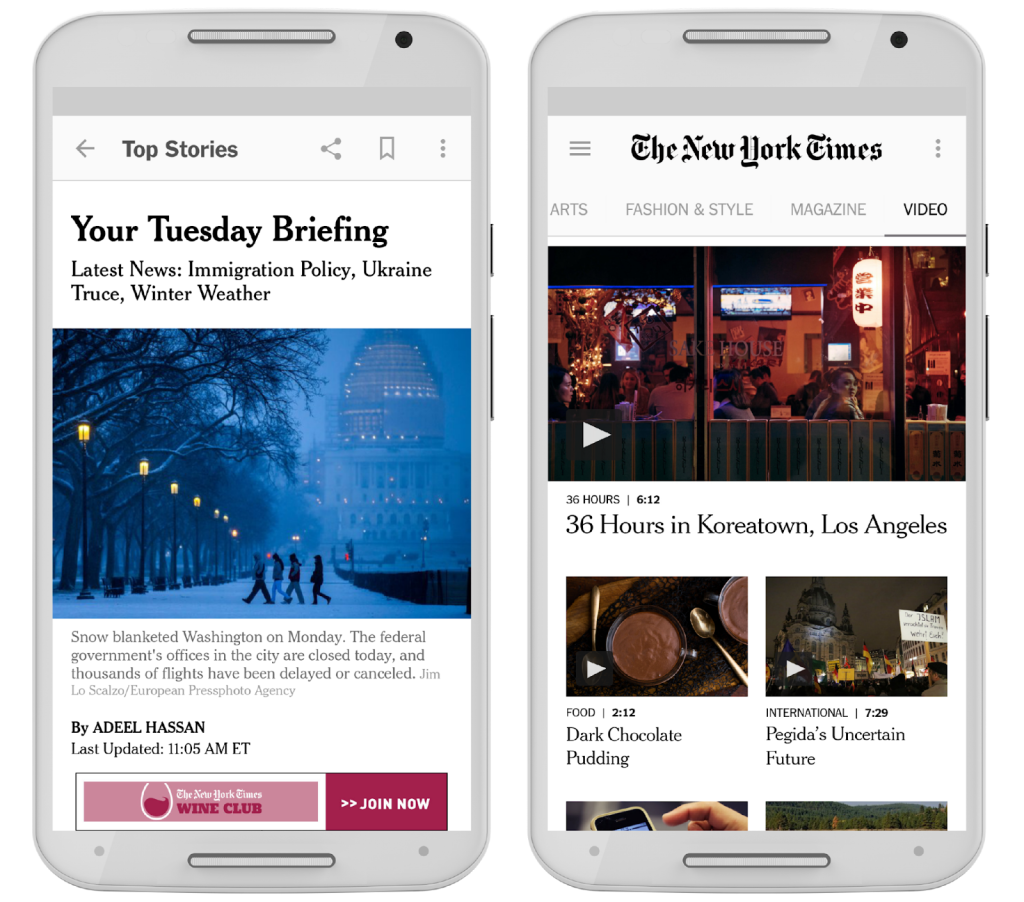
Another key area where AMP remains useful in 2026 is in regions with weak or unstable internet connectivity. Despite improvements in network speeds, the digital divide continues. According to the International Telecommunication Union (ITU), about 32% of the world’s population still lacks reliable mobile access to high-speed internet as of 2024. In these situations, lightweight AMP pages, which use much less data, offer a practical solution.
Another benefit of AMP is its ability to reduce server load. With AMP Cache, some traffic is offloaded from the publisher’s servers, as pages are delivered directly from the cache. This can be a significant advantage for projects that face sudden spikes in traffic (like breaking news, viral content, or emergencies).
AMP also provides a straightforward option for small content projects and blogs on popular CMS platforms. In the WordPress ecosystem, for example, both official and third-party plugins support AMP, allowing for quick deployment without needing extensive custom development.
However, a lot of website admins point out that AMP can severely limit design options as well as hurt mobile performance, as well as user experience. AMP seems like a no-go option for Ecom websites as well as service providers.

In 2026, AMP remains a useful tool in three key scenarios:
- For large content platforms with high mobile traffic.
- For markets with limited or unreliable internet access.
- For projects where predictable speed is crucial, without complex user experience demands.
Disadvantages of AMP
The main reason AMP is seen as excessive in 2026 is its structural limitations, which clash with modern website needs. Advanced features like interactive forms, dashboards, and custom animations either require complicated workarounds or are not feasible at all.
Another major issue is the need to maintain two versions of a website: the main site and its AMP version. This effectively doubles the operational workload across SEO, analytics, advertising, bug fixes, testing, and content management. Even with strong automation, this increases the total cost of ownership. Pagely points out that AMP support is becoming too expensive for most projects, especially when traffic and conversion gains are minimal.
A third concern is the loss of control over branding and user experience. For a long time, AMP pages were served from Google’s Cache domain instead of the publisher’s domain, leading to worries that users were consuming content within Google’s ecosystem, rather than on the brand’s actual site.
Monetization and tracking also pose challenges. While AMP supports advertising and analytics, it does so in a limited way. Advanced ad strategies, custom tracking events, and complex attribution models often struggle or require intricate technical solutions. For e-commerce platforms, SaaS products, and marketplaces, this represents a significant limitation, as modern marketing relies heavily on detailed behavioral analytics.
The most compelling argument against AMP in 2026, however, is the emergence of fully mature alternatives that offer similar speed without the same drawbacks. In recent years, several optimization standards have become mainstream:
- native browser-level lazy loading for images and iframes;
- next-gen image formats like WebP and AVIF, which reduce file sizes by 30-50% compared to JPEG;
- widespread CDN adoption, even among small businesses;
- the growing adoption of Progressive Web Apps (PWAs), which provide content caching and offline functionality.
For projects that prioritize flexibility, branding, interactivity, personalization, and advanced analytics, AMP is increasingly seen as a technical constraint rather than an advantage.
AMP vs. Modern alternatives
AMP’s primary competitor is the fully optimized responsive web. By 2026, a dedicated page format is no longer necessary to achieve strong Core Web Vitals scores.

Progressive Web Apps (PWAs) are the second major enemy of AMP. Unlike AMP, PWAs don’t limit developers on JavaScript, design, or functionality. They support content caching, offline access, push notifications, and, most importantly, near-instant loading after the first visit.
While AMP is mainly optimized for one-time visits from search, PWAs focus on user return, retention, and ongoing engagement. For e-commerce, SaaS platforms, marketplaces, and services with user accounts, PWAs have largely taken over as the more strategic choice by 2026.
Modern content delivery networks (CDNs) also play a key role as AMP alternatives. While CDNs were primarily used by large companies in 2015, by 2026 they have become standard for even small businesses. According to Cloudflare, over 80% of commercial websites in developed markets now use a CDN. The advantage of CDNs is that they speed up content delivery without changing page formats or sacrificing control over branding and analytics, unlike AMP.
Finally, modern front-end frameworks and server-side rendering (SSR) or static site generation (SSG) approaches are strong competitors to AMP. Technologies like Next.js, Nuxt, and Astro allow for the creation of static or hybrid pages with very fast load times, minimal JavaScript overhead, and a great user experience. These approaches are now widely recommended in professional development circles as direct replacements for AMP in content-focused projects.
Should YOU use AMP in 2026?
There isn’t a one-size-fits-all answer anymore. Now, you need to assess what metrics AMP can improve and which ones it might hurt.
Traffic Source and User Behavior
If a lot of your traffic comes from Google Discover, news searches, or informational queries, AMP can still be helpful by achieving strong Core Web Vitals scores.
However, if your traffic mainly comes from branded searches, social media, paid ads, email, or direct visits, AMP’s benefits are less significant. In these cases, users tend to engage more with your site, making functionality, analytics, personalization, and branding much more important than small improvements in loading speed.
Project Type
For news sites and media platforms with lots of content, AMP can support stability by reducing server load, speeding up responses, and lowering risks during traffic spikes.
But for e-commerce sites, SaaS platforms, marketplaces, and services with user accounts, AMP can be not only unnecessary but also harmful. Its limits on analytics, customization, A/B testing, and user flows can interfere with core business needs in 2026.
Support and Maintenance Costs
Using AMP usually means keeping two versions of your site: the main version and the AMP version. Even with automation, this increases potential failure points, SEO settings, analytics tags, and ad integrations. Companies need to consider if these extra costs are worth any increase in traffic or revenue.
Availability of Alternatives
In 2026, most projects can achieve excellent Core Web Vitals without AMP, using a combination of CDNs, optimized image formats, server-side rendering, static site generation, and modern JavaScript frameworks. These methods provide similar performance benefits without AMP’s drawbacks.
Audience Geography
If your audience is in areas with weak mobile connections or unstable infrastructure, AMP can still offer benefits because it uses less data and loads quickly.
The Role of Brand and User Experience
If your project depends on user retention, complex interactions, personalized experiences, data-driven testing, or a larger product ecosystem, AMP can become a limitation instead of an advantage in 2026.
In 2026, AMP is no longer the standard for mobile websites.
It has lost the importance it had from 2016 to 2019 when fast loading speed was a main issue, and Core Web Vitals hadn’t yet become a key performance benchmark.
However, AMP is not completely outdated. It still works as a specialized tool for media and content-driven sites where quick content delivery matters more than flexibility. In most other cases, AMP is losing ground to modern alternatives.
The question used to be, “Why aren’t you using AMP yet?” But, in 2026, the more relevant question is: “Do you really need to use AMP?”
AMP tried to solve the problem of slow loading websites. So, a simply switching to a fast hosting provider can be a simple and reliable alternative to AMPs. Avoid chasing the lowest price. Remember, a slow website will end up costing you much more in the long run. Conduct tests, compare multiple providers, and review their specs as well as customer feedback.
And if you’re looking for a fantastic mobile-optimized hosting that prioritizes speed, security, and convenience, you can’t go wrong with SpaceLama – a phenomenal hosting service.